
Kumamoto Earthquake Emergency
Kumamoto Earthquake Emergency
€11500 raised of €30000
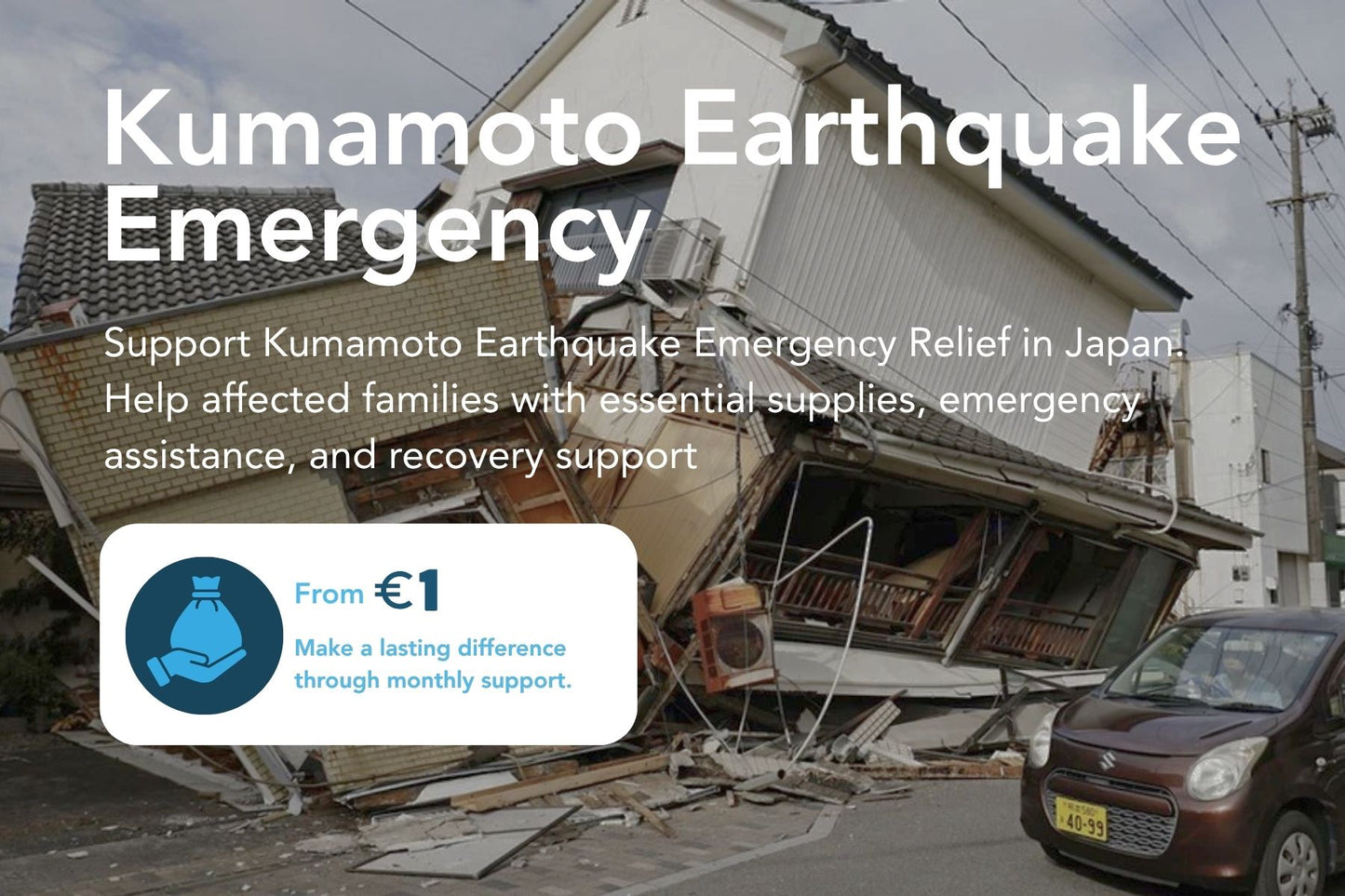
A powerful earthquake has devastated communities in Kumamoto, Japan. Help provide affected families with food, clean water, and emergency shelter.
Every Hour Matters for Families in Kumamoto
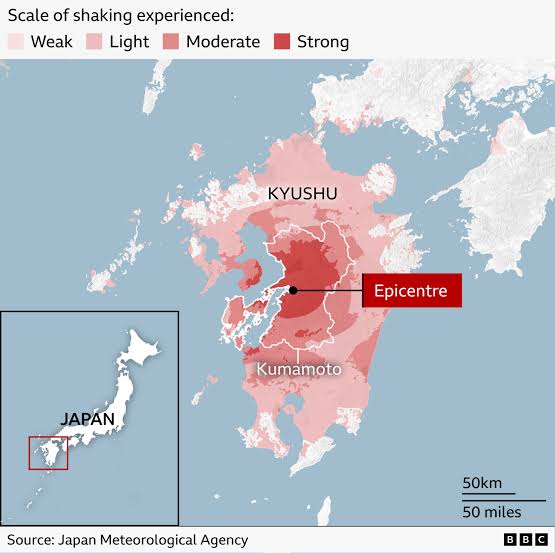
On 28 July 2026, a magnitude 7.1 earthquake struck Kumamoto Prefecture on Japan’s southern island of Kyushu. The earthquake registered the highest level on Japan’s seismic intensity scale in Uki City and Hikawa Town. Strong aftershocks have continued, and authorities have warned that further intense shaking may occur during the week following the disaster.
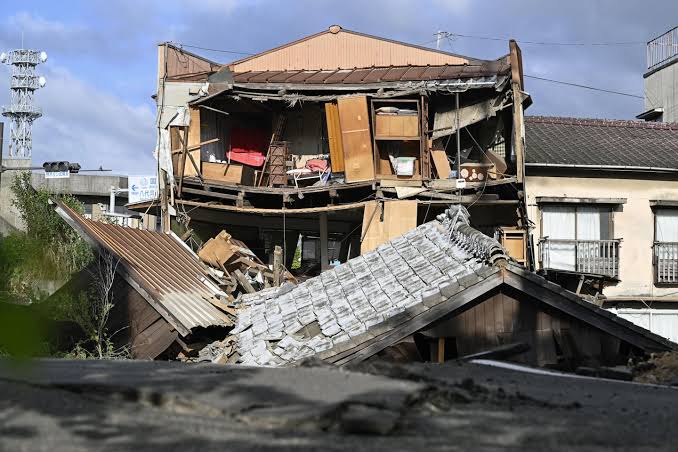
Homes have collapsed, roads and essential infrastructure have been damaged, and fires and structural failures have affected several locations.
As of 31 July, at least 34 deaths had been confirmed, with one additional death still under investigation. Official reports recorded 129 injuries, including six people seriously injured. Evacuation orders affected more than 267,000 people across Kumamoto Prefecture.
Thousands of residents are staying in evacuation centres, vehicles, tents, or other temporary spaces because their homes are damaged or no longer feel safe.
The emergency is made more difficult by extreme summer temperatures. Around 79,000 households were reported without running water, while approximately 3,500 households remained without electricity. More than 9,000 people were staying in shelters as communities faced heat, water shortages, and continuing aftershocks.
For families who have lost access to their homes and basic services, clean drinking water, food, and safe shelter cannot wait.
Human Initiative’s Emergency Response
Human Initiative Australia is launching the Kumamoto Earthquake Response Fund to help affected communities access urgent humanitarian assistance.
Our initial response will focus on:
Needs Assessment
Our team will assess conditions in affected areas to identify urgent needs, access limitations, vulnerable households, and gaps in available assistance.
Stakeholder Communication and Coordination
We will communicate with relevant authorities, community representatives, humanitarian partners, and other stakeholders to ensure that assistance is coordinated and reaches communities with the greatest needs.
Distribution of Urgent Basic Needs
Based on assessment findings and local access, we aim to distribute immediate assistance, including hot meals and clean drinking water, to affected families.
What Your Donation Can Provide
Funds raised through this campaign will support emergency aid distribution based on verified needs in affected communities.
Food Packs
Food packages containing essential items to help families prepare meals while access to shops, kitchens, and regular food supplies remains limited.
Hot Meals
Ready-to-eat meals for displaced families, older people, children, emergency workers, and people unable to prepare food.
Clean Drinking Water
Safe drinking water for households and evacuation centres affected by damaged water infrastructure and supply interruptions.
Emergency Shelter
Temporary shelter assistance and essential shelter materials for families whose homes have been damaged or are unsafe to enter.

Help Families Face the Days Ahead
A disaster does not end when the ground stops shaking.
Families must still find clean water. Parents must still feed their children. Older people and vulnerable residents need safe places to rest. Communities must continue facing aftershocks, damaged infrastructure, disrupted services, and uncertainty about when they can return home.
Your donation can help place urgent assistance directly into the hands of people affected by the Kumamoto earthquake.
Together, we can help provide:
- Food for displaced families
- Clean and safe drinking water
- Hot meals for people in evacuation centres
- Emergency shelter for households unable to return home
- Coordinated assistance based on verified community needs
Donate today to help families in Kumamoto access food, water, and safe shelter during this emergency.
Funds will be allocated according to verified needs, operational access, and changing conditions in the affected areas. As the situation develops, assistance may be adjusted to address the most urgent earthquake-related humanitarian needs.